Foods Exempt from Labeling Requirements: Why Custom Food Labels Still Matter for Your Business

Not every food product requires a label by law. Fresh produce, meat from local butchers, and foods sold directly at farmers markets often fall outside FDA labeling requirements. Yet successful food businesses know that custom food labels offer advantages far beyond legal compliance.
Which Foods Skip Required Labeling
The FDA exempts several food categories from mandatory labeling. Raw fruits and vegetables sold individually don't need labels. Foods prepared and sold in the same establishment, like bakery items or deli sandwiches, skip requirements too. Small businesses with less than $50,000 in annual food sales or fewer than 100,000 units sold also qualify for exemptions.
Farmers selling directly to consumers at roadside stands or farmers markets avoid most labeling rules. Food served in restaurants or delivered for immediate consumption doesn't need traditional packaging labels either. Even some bulk foods sold from bins can skip individual labeling.
These exemptions help small businesses avoid regulatory burden. But missing out on custom labels means missing marketing opportunities.
Why Exempt Businesses Choose Custom Food Labels
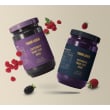
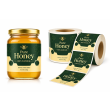
Smart food sellers use custom labels to build their brand, even when not required. Your honey doesn't legally need a label at the farmers market, but customers remember the jar with the professional label featuring your farm's logo. They'll recognize your brand at other venues and recommend you to friends.
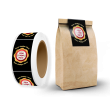
 Custom food labels communicate quality and professionalism. Two identical loaves of bread sit at a market stand. One has a handwritten price tag. The other features a custom label with ingredients, your bakery's story, and contact information. Which one commands a premium price? Which baker gets online orders later?
Labels also prevent confusion and returns. While not required to list ingredients, doing so helps customers with allergies make safe choices. Including storage instructions reduces waste. Adding your website and social media handles turns one-time buyers into followers.
Growing Beyond Exemptions
Many food businesses start small but grow quickly. That homemade salsa you sell to neighbors might soon appear in local stores. When growth happens, you'll need compliant labels immediately. Starting with custom labels now means you're ready to scale.
Professional labels open doors to retail opportunities. Store buyers take you seriously when products arrive with proper branding. Even if you're currently exempt, retailers might require labels for their shelves. Having custom food labels ready removes barriers to growth.
Designing Labels That Sell
Your custom labels should tell your story. Include your farm's history, your commitment to organic practices, or your grandmother's recipe inspiration. Add QR codes linking to recipes or your online store. Use colors and fonts that match your brand personality.
Consider seasonal labels for limited products. Special designs for holidays or harvest seasons create urgency and collectibility. Customers buy extra jars of jam with beautiful fall labels for gift giving.
Start Labeling Strategically Today
Whether you're legally required to label or not, custom food labels elevate your food business. They build recognition, communicate value, and prepare you for growth. Contact Mak Printing Inc today to explore custom label options that match your budget and goals. Turn every product into a marketing opportunity.


Popular Products
-

Honey Labels & Stickers
$0.59