Eco-Friendly Labels Printing Solutions: Sustainable Papers, Inks, and Green Printing Practices
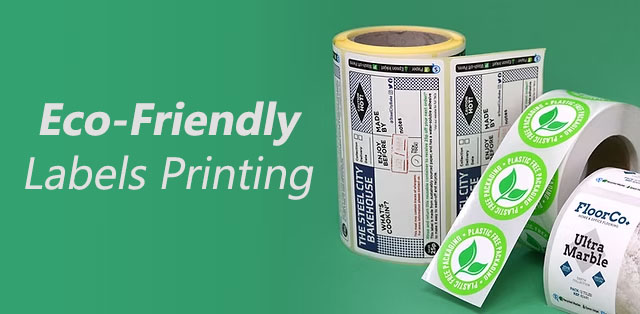
Environmental responsibility in printing is no longer optional—it's essential for businesses wanting to reduce their carbon footprint and appeal to eco-conscious customers. Modern sustainable Label printing solutions deliver exceptional quality while protecting our planet. European forests are growing by 1,500 football fields daily, and 39% of fiber used for paper production now comes from recycled materials.
You can make your next Custom labels printing project environmentally friendly without sacrificing quality or incurring significant cost increases.
Sustainable Paper Options That Deliver Quality
Recycled Paper Solutions
Most recycled printer papers contain only 30% recycled materials, but premium options like PrintWorks contain 90% recycled material for comparable pricing. Paper made from 100% post-consumer recycled fiber offers FSC certification and comparable performance to virgin paper.
Recycled paper uses fewer chemicals, less packaging, and fewer resources than virgin fiber paper. The key limitation is that paper can only be recycled 5-7 times before fibers become too worn for reuse. Smart manufacturers blend recycled fibers with virgin ones to maintain quality while maximizing sustainability.
Tree-Free Paper Alternatives
Bamboo paper comes from fast-growing grass that can grow several feet in a day, making it highly renewable. Sugarcane paper uses bagasse—fibrous waste left after juice extraction—creating tree-free alternatives that perform like regular paper.
PaperWise agricultural waste paper has 47% lower environmental impact than tree-based paper and 29% lower impact than recycled paper. These innovative materials transform crop waste into high-quality Custom Labels printing substrates.
FSC-Certified Virgin Paper
FSC (Forest Stewardship Council) certified papers come from responsibly managed forests where every piece of wood gets used—from bark for fuel to ash for concrete ingredients. Sustainable Printer Paper by Elementree uses sawmill waste and renewable energy sources, though it may change color when exposed to light.
Revolutionary Eco-Friendly Ink Technologies
Soy-Based Ink Benefits
Soy-based inks have evolved to zero VOC levels, down from conventional petroleum inks that measure 25-35% VOC emissions. Soy ink contains just 0.8% volatile organic compounds compared to petroleum-based inks at 4.6%.
Soy inks are four times more biodegradable than petroleum-based alternatives and produce sharper, brighter images with more vivid colors. Studies show soy and water-based inks are easier to remove during paper recycling, improving the quality of recycled materials.
Vegetable-Based Ink Options
Vegetable inks use oils from linseed, canola, safflower, and sunflower sources, often blended like wine to optimize performance characteristics. Recent studies found that linseed-soybean oil-based ink provides the highest brightness values and superior gloss on all paper types.
Vegetable-based inks require less water and solvent for press cleaning compared to petroleum alternatives, reducing waste and chemical usage.
Water-Based and Algae Innovations
Water-based inks use water as the primary carrier, significantly reducing VOC emissions and offering excellent performance on paper, cardboard, and textiles. Algae Ink represents groundbreaking innovation with carbon-negative pigments derived from algae waste cells.
Green Labels Printing Practices That Save Money
Energy-Efficient Equipment
Energy Star-certified printers consume less electricity and meet strict efficiency guidelines set by the EPA. Eco-friendly printers utilize recycled materials in their manufacturing process and offer automatic duplex printing to minimize paper consumption.
Digital printing has become more energy efficient, while UV printing eliminates drying time by curing ink instantly with UV light. These technologies reduce overall energy consumption in Label printing facilities.
Waste Reduction Strategies
The average office worker uses 50 kg of paper annually—equivalent to 10,000 A4 sheets—making paper the largest waste component in offices. Implementing print management software and duplex printing as default settings dramatically reduces consumption.
Proper artwork setup prevents unnecessary reprints and material waste, while efficient inventory management ensures printers order only needed quantities. Developing environmental action plans with specific targets helps monitor progress and maintain improvement momentum.
Cost-Effective Implementation
Eco-friendly printer paper options range from $4.89 per 100 sheets for recycled options to $9.99 per 500 sheets for FSC-certified alternatives. Energy-efficient printers starting around $400 offer multifunction capabilities with certified environmental benefits.
Certifications and Standards to Look For
FSC certification ensures paper comes from responsibly managed forests or recycled fibers. Green Seal certification and EPEAT ratings verify environmental performance standards. 100% post-consumer waste, chlorine-free manufacturing, and renewable biogas energy production represent gold standards.
Choose printing partners who maintain these certifications and practice in-house manufacturing for better quality control and environmental oversight.
Making the Switch to Sustainable Printing
Start your eco-friendly transition by evaluating current printing practices and identifying improvement areas. Businesses should prioritize recycled, bamboo, and FSC-certified papers while selecting soy or vegetable-based inks. Partner with certified green printers who demonstrate measurable environmental commitments.
Sustainable Custom label printing enhances brand reputation while contributing to a healthier planet, proving that environmental responsibility and business success go hand in hand. Contact Mak Printing today to discuss how our eco-friendly solutions can meet your printing needs while supporting your sustainability goals.


Popular Products
-

Honey Labels & Stickers
$0.59